
How to Navigate Advertisement Consent and Planning Permission for Outdoor Advertising in England
For UK businesses and marketers, out-of-home (OOH) advertising offers an unparalleled way to reach broad audiences and drive meaningful engagement. But before your message lights up the streets, there is an essential legal aspect to address: advertisement consent and planning permission. Understanding how these regulations work and how to navigate the process can make the difference between a smooth campaign rollout and costly setbacks. At Inteli Media, we pride ourselves on our proximity to client needs, trustworthy guidance, and enthusiasm for every project—so here’s a practical guide to getting your outdoor campaign up and running, compliantly and efficiently.
Why Advertisement Consent and Planning Permission Matter
Outdoor advertising—whether it’s billboards, LED screens, bus advertising, or signs—is subject to a robust regulatory framework in England. The Town and Country Planning (Control of Advertisements) (England) Regulations 2007 set out the national standards, but local planning authorities ultimately decide what’s permitted in their area. Gaining the right permissions is not only a legal requirement; it also ensures your advertising is safe, visually appropriate, and positively received by the public.
The Regulatory Framework: What’s Covered?
Regulation of OOH advertising in England focuses on two main areas:
- Visual Amenity: Protecting the character and appearance of locations, especially in conservation areas or near listed buildings.
- Public Safety: Ensuring that advertising does not cause distractions or hazards, particularly near roads or busy pedestrian zones.
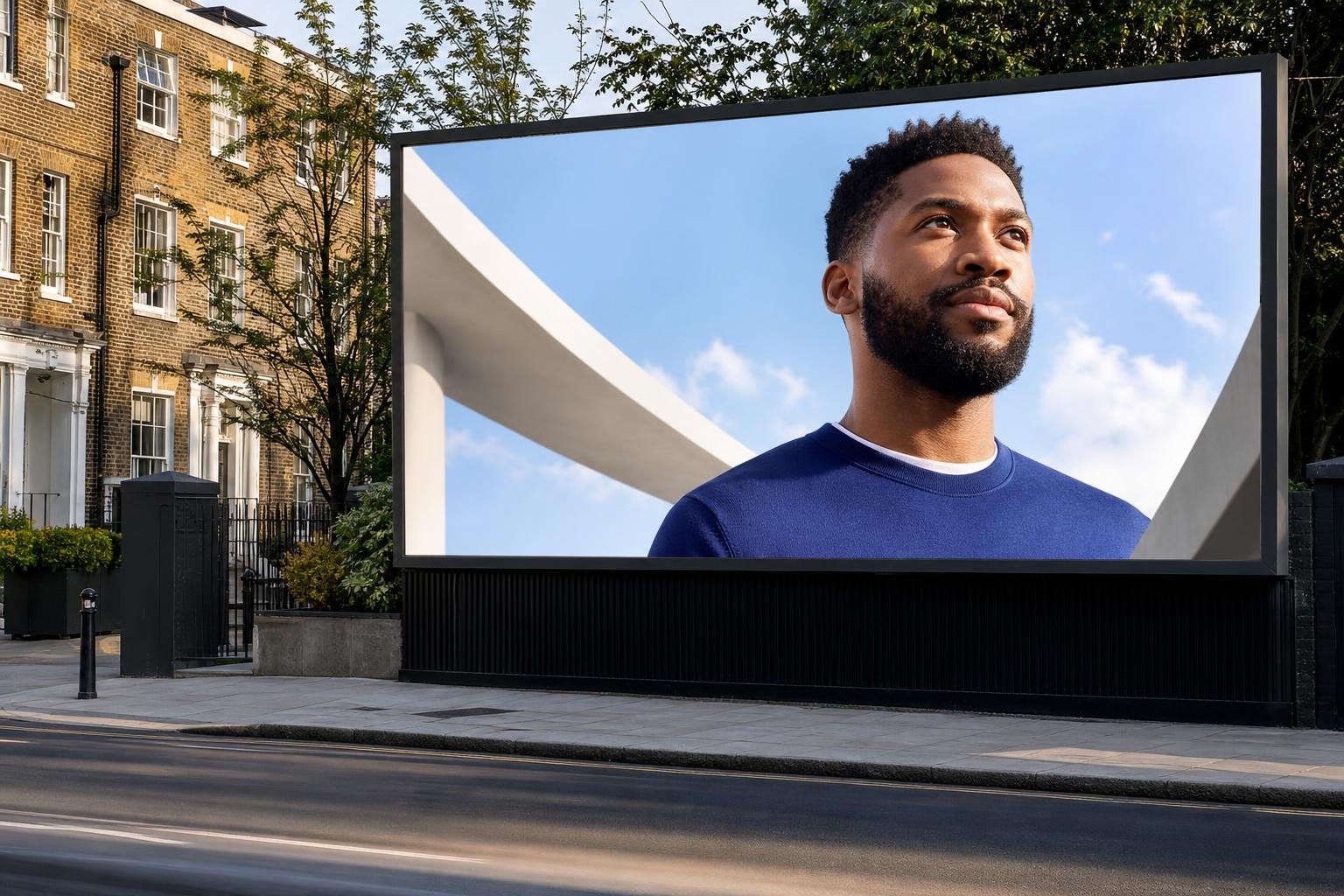
Different formats, such as front-lit billboard, roadside displays, wallscapes, and airport signage, each have specific regulations around size, height, illumination, and placement. For digital and illuminated signs, rules on brightness and hours of operation are particularly important.
When Do You Need Advertisement Consent?
Many types of signage and displays fall under the deemed consent category, meaning they do not require a specific application if they meet certain criteria (for example, size or location limits). However, you will need express advertisement consent (i.e., formal planning approval) if:
- Your display exceeds standard size or height limits—for instance, most billboards on roads must be under 4.6 metres in height or below first-floor window level.
- The location is sensitive, such as in a conservation area or near a listed building.
- The display is illuminated or digital (such as LED screens), especially in residential or mixed-use neighbourhoods.
- You wish to install advertising on street furniture, bridges, or other unique structures.
It’s always best to check with your local authority or consult a specialist—requirements do vary, especially if your campaign spans multiple regions like Greater London, Greater Manchester, or the Yorkshire and the Humber.
The Application Process: Step-by-Step
Applying for advertisement consent involves several clear steps. Here’s how to approach it:
- Initial Consultation: Discuss your plans with an OOH specialist (like Inteli Media) and, if possible, with the local planning authority. Early dialogue helps identify any potential issues, especially in conservation areas.
- Prepare Your Documentation: You’ll need detailed drawings, including site plans, elevations, and luminance data for illuminated displays. Our design development team can help create compliant, visually impactful proposals.
- Submit Application: Applications are lodged with the relevant local authority, usually accompanied by a fee (currently around £168 in England).
- Statutory Decision Period: Authorities generally have eight weeks to decide. They will consider amenity, safety, and the cumulative impact of advertising in the area.
- Appeals Process: If your application is refused, you may appeal to the Planning Inspectorate. Expert support can be invaluable at this stage.
Inteli Media offers comprehensive planning permission and regulatory support, saving you time and ensuring your submission has the best chance of success.
Key Points for Different Media Types
Each advertising format has its own regulatory nuances. Here’s a quick guide to some of the most popular:
- Billboards: Classic and digital billboards often require express consent, especially if illuminated or large-scale. Local authorities assess their impact based on size, height, and location.
- LED screens: Digital displays must comply with strict brightness, operation hours, and content controls. Programmatic features (like real-time updates) are a plus, but you must demonstrate safety and amenity compliance.
- Bus advertising: Typically subject to local transport authority agreements, but stationary structures (like bus shelters) may need advertisement consent for illuminated or oversized panels.
- Bridge advertising: Requires careful safety assessment and is often subject to extra scrutiny from local and highway authorities.
- Street furniture: Benches, kiosks, and similar urban assets often need consent, especially if illuminated or located in heritage zones.
Special Considerations for Sensitive Areas
Advertising in conservation areas, near listed buildings, or on historic streetscapes (such as parts of Birmingham or Glasgow) is more tightly controlled. Applications here must demonstrate:
- Minimal impact on historic character and views
- Appropriate scale, materials, and lighting (LED illumination and acrylic letters may be approved if sensitively designed)
- Compliance with additional local policies
Inteli Media’s experience in manufacturing and digital printing ensures that your signage is not only compliant but also visually harmonious with its surroundings.
Budgeting for Planning and Permissions
Campaign budgets for OOH advertising naturally include media rental and creative production—but don’t overlook the costs (and value) of the planning process. Key considerations:
- Consent application fees (about £168 per site in England)
- Cost of drawings, surveys, and technical documents
- Timeframes—allow at least 8-12 weeks for more complex applications
Factoring these into your timeline and budget from the outset prevents surprises. Our billboard rental and installation service includes full support for permissions, so you can focus on campaign results.
Regional Variations and Multi-Site Campaigns
While England’s 2007 Regulations are the baseline, Scotland, Wales, and Northern Ireland have distinct requirements. If you plan to advertise across regions such as the South East, North West, or East of England, check local policies and obtain separate consents as needed. Inteli Media’s nationwide reach means we can coordinate compliance across diverse locations, including Cardiff, Renfrewshire, Bournemouth, Christchurch and Poole, and more.
Common Challenges—and How to Overcome Them
- Cumulative Impact: Councils may refuse applications if there’s a risk of advertising clutter. Presenting a clear, well-designed proposal that respects local character is key. Our team’s local knowledge can help mitigate these concerns.
- Technical Objections: Issues around lighting, traffic safety, or structural engineering can arise, especially for illuminated or large-format installations. Inteli Media’s in-house design and manufacturing expertise ensures technical compliance from the start.
- Neighbour and Community Feedback: Engaging with local stakeholders can smooth the process, especially for high-profile sites. We approach each project with optimism and openness, fostering positive outcomes.
Why Work with an Experienced Partner?
The planning and consent process can seem daunting, but with the right partner, it becomes an opportunity for strategic advantage. Inteli Media brings:
- Proximity: We’re local experts, always close to your needs and the regulatory landscape.
- Trust: Transparent, ethical guidance at every stage—no hidden surprises.
- Enthusiasm: A positive, can-do attitude that gets results and keeps your campaign moving.
Our tailored support covers everything from design development and manufacturing to installation, LED illumination, and ongoing regulatory compliance.
Ready to Launch Your Outdoor Campaign?
Navigating advertisement consent and planning permission doesn’t have to be a headache. With the right expertise and a collaborative approach, you can maximise your brand’s visibility while staying on the right side of the law. Contact Inteli Media today for expert, friendly advice and a tailored media plan that puts your message in the right place, at the right time, with full confidence in compliance. Let’s make your next campaign a success—get in touch now and discover what’s possible for your business.
Share:

